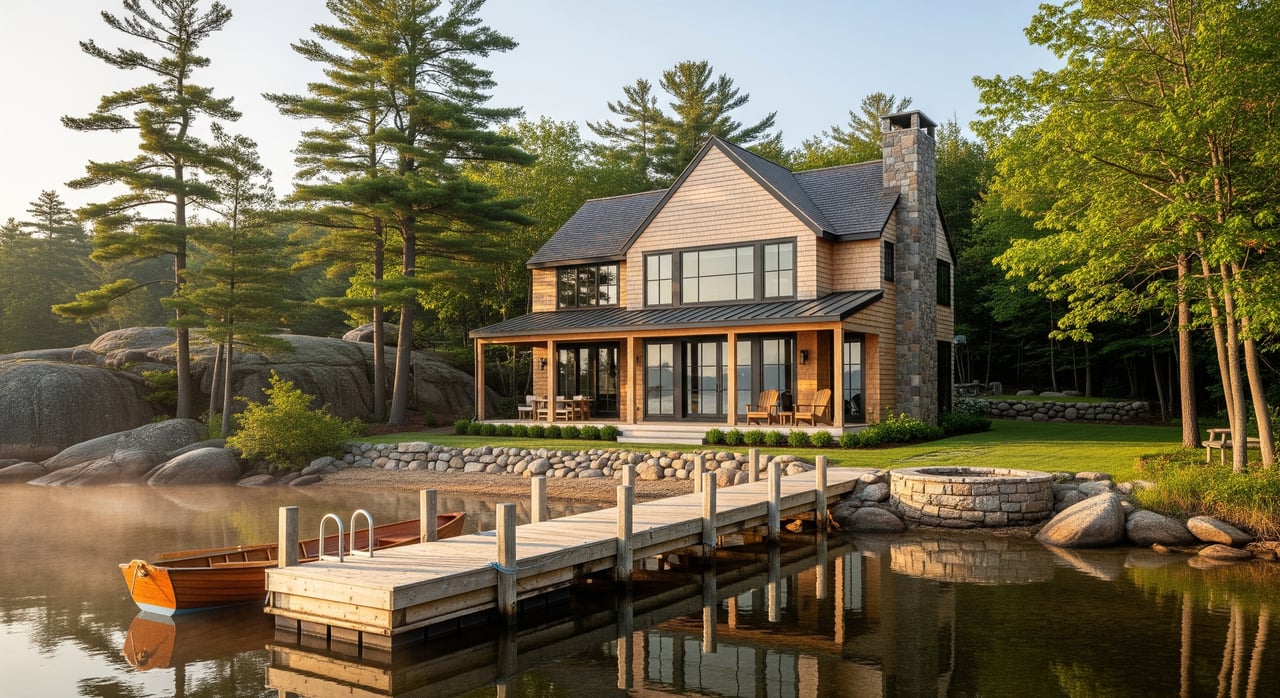
Thinking about making Penobscot County home? Maybe you want Bangor’s convenience with small‑town calm, or a camp by a quiet lake where weekends feel like vacation. A move like this brings real questions about neighborhoods, jobs, weather, and daily routines. In this guide, you’ll get a clear, friendly look at how people live, work, and play across Bangor, Orono, Old Town, and the surrounding towns, plus practical tips to help you plan with confidence. Let’s dive in.
Penobscot County at a glance
Penobscot County sits in east‑central Maine with Bangor as its largest city and service hub. The county includes college‑town energy in Orono, small‑city amenities in Old Town and Brewer, and many rural towns and lake communities. The Penobscot River shapes local life, from recreation to history.
You’ll find a mostly rural county with population concentrated around Bangor, Orono, Brewer, and Old Town. According to the 2020 count from the U.S. Census Bureau, roughly 152,000 residents live in Penobscot County, with Bangor’s city population in the low 30,000s. Daily life feels different depending on where you land, so it helps to think in terms of city, suburban, and rural.
Neighborhoods and housing
Bangor city living
Bangor offers the region’s widest mix of amenities. You’ll find grocery stores, restaurants, small performance venues, hospitals, and the main airport within a short drive. Housing ranges from historic Victorian streets to mid‑century neighborhoods and in‑town multi‑unit buildings. If you want walkable options and professional services close by, Bangor is a practical base.
College and river towns: Orono and Old Town
Orono is home to the University of Maine, which brings coffee shops, athletics, and cultural events throughout the academic year. The rental market reflects student demand, so you’ll see a mix of single‑family homes, small apartment buildings, and student‑friendly rentals. Old Town sits along the river with a small‑city feel and ties to local manufacturing history. Nearby, the Penobscot Indian Island Reservation is home to the Penobscot Nation; you can learn more about tribal government and culture through the Penobscot Nation.
Suburban convenience
Towns like Brewer, Hampden, Hermon, and others offer quieter neighborhoods within an easy drive of Bangor’s jobs and services. You’ll typically see single‑family homes, sidewalks in select areas, and local parks. These towns appeal if you want a bit more space while keeping commute times reasonable.
Rural and lake communities
If you’re drawn to a year‑round outdoor lifestyle, rural towns and lake areas may be a fit. Options range from farmhouses and cabins to seasonal camps and waterfront properties. Daily life here often includes trail access, boating, fishing, and strong ties to local clubs and community groups.
Housing types to expect
- Urban: older single‑family homes, multi‑unit buildings, smaller apartment complexes.
- Suburban: ranches, split‑levels, and newer single‑family homes.
- Rural: farmhouses, cabins, manufactured homes, and camps that may be seasonal or year‑round.
- New construction: limited infill in Bangor and Orono, and modest growth in select suburbs.
If you want up‑to‑date pricing, days on market, and neighborhood trends, local MLS data through Maine Listings and town assessor records are best. Pricing varies widely by town and by waterfront location, so you’ll want neighborhood‑level guidance.
Work, commute, and getting around
Major employers and sectors
Healthcare and education anchor the local economy. Northern Light Eastern Maine Medical Center and affiliated providers serve the region, and you can learn more about services through Northern Light Health. The University of Maine and Husson University drive education and research jobs, with additional roles in retail, services, government, and forestry‑related businesses. Seasonal tourism and outdoor recreation support many small employers.
Commuting patterns
Most people drive. I‑95 runs north‑south through the county, and U.S. routes connect nearby towns. Commute times are often shorter than in larger metros, though rural drives can be longer depending on your workplace. If you value quick errands and short commutes, living closer to Bangor’s core usually helps.
Air and regional travel
Bangor International Airport offers commercial flights and cargo services, making regional and national travel straightforward. For routes and flight info, visit Bangor International Airport. Intercity bus lines connect Bangor to southern Maine and Boston. Passenger rail is limited or unavailable in most of the region.
Local services and transit
Public transit exists on a limited basis in and around Bangor. Bus routes cover key corridors, and municipal websites provide current schedules and service updates. For local service details, start with the City of Bangor site and neighboring town pages.
Seasons, recreation, and culture
Outdoor life in every season
The region’s recreation spans rivers, lakes, city forests, and nearby state lands. You can paddle the Penobscot River, hike local trail networks like the Bangor City Forest, and head north on weekends for backcountry trips. Winter brings snowmobiling, cross‑country skiing, and ice fishing. Many residents invest in winter gear to make the most of the season.
Arts, sports, and community events
College events bring a steady lineup of music, theater, lectures, and athletics at UMaine. You’ll also find community arts groups and mid‑sized venues in Bangor that host touring acts and local festivals. Civic organizations and seasonal fairs add to the calendar in towns across the county.
Dining, shopping, and everyday errands
Bangor concentrates restaurants, grocery stores, and mid‑size retail, including a traditional mall area and shopping plazas. Smaller towns offer diners, pizza spots, markets, and farm stands in season. If you want the widest set of options, plan your main errands in Bangor and enjoy local favorites close to home.
Practical planning tips
Climate and home prep
Penobscot County has a humid continental climate with cold, snowy winters and warm, pleasant summers. It pays to budget for heating and snow removal, and to winterize vehicles before the first storm. For climate normals and seasonal patterns, check the National Weather Service’s climate resources for eastern Maine through the NWS Caribou climate page.
Costs and taxes
Housing affordability varies by town and by waterfront proximity, but many parts of Penobscot County compare favorably to coastal Maine and larger U.S. metros. Maine has a state income tax and a sales tax, and property tax rates are set by each municipality. For current rules and rates, start with Maine Revenue Services.
Schools and higher education
K–12 public education is organized at the town or district level. Offerings vary by size and programming, and districts share report cards and performance updates through state and local sites. For higher education, you have University of Maine in Orono and Husson University in Bangor, plus Eastern Maine Community College nearby.
Broadband and cell service
Internet options can be uneven in rural areas, where some locations rely on satellite or fixed wireless. Denser neighborhoods often have cable, DSL, or fiber. To evaluate a specific address, consult the FCC Broadband Map and confirm availability with local providers.
Healthcare access
Bangor serves as the region’s medical hub, with primary, specialty, and hospital care available locally. For complex procedures, some residents travel to larger New England centers, but most routine care is close at hand. You can explore services at Northern Light Health and other area clinics.
Is Penobscot County a fit for you?
If you want city services with small‑town pace, Bangor and its neighboring towns offer a balanced lifestyle. You can choose walkable neighborhoods near jobs and schools, suburban streets with yards and garages, or rural properties where trails, lakes, and quiet nights are part of daily life. The local economy leans on healthcare and education, commutes are manageable, and four true seasons shape routines in a good way when you plan ahead.
Whether you are buying your first home, moving up, selling an estate, or evaluating a multi‑unit or rural parcel, you have options across Penobscot County. If you would like a tailored neighborhood shortlist, recent sales data, or a plan for timing your move, connect with Stephanie Henry. You will get clear guidance, investor‑level insight, and hands‑on support from search to closing.
FAQs
What is the population of Penobscot County, Maine?
- The 2020 U.S. Census counted roughly 152,000 residents, with most people in and around Bangor.
How is commuting into Bangor from nearby towns?
- Most residents drive on I‑95 and connecting routes; commutes are usually shorter than big‑city metros, though rural drives can be longer.
What are winters like in Penobscot County?
- Winters are cold and snowy; budgeting for heating, snow removal, and vehicle prep is essential, and many residents enjoy winter recreation.
Is there public transportation in Bangor and nearby towns?
- Local bus routes operate in Bangor and some adjacent towns, but coverage is limited compared to larger metro systems.
Who are the major employers in the area?
- Healthcare systems, the University of Maine, Husson University, retail and services, and government roles anchor the job market.
How can I check internet availability for a specific address?
- Use the FCC Broadband Map to see providers and technologies at an address, then confirm details with local providers.