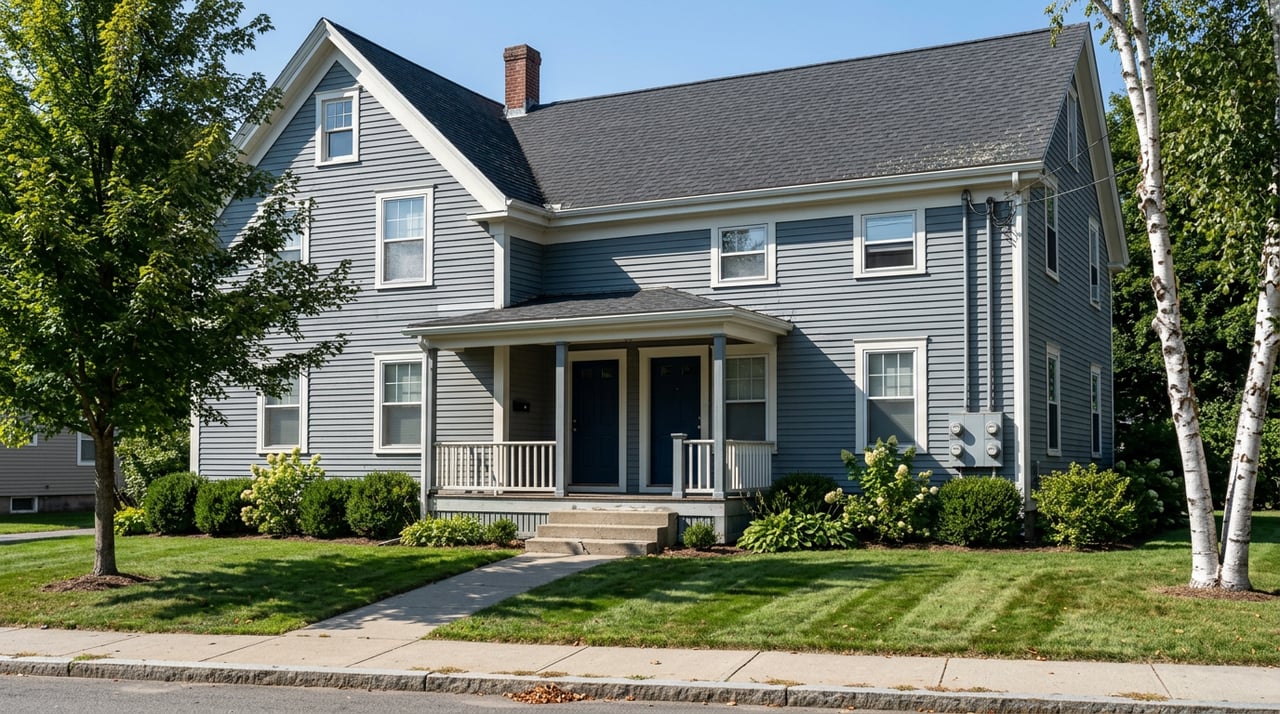
Thinking about buying a duplex or small multifamily in Penobscot County? You are not alone. Investors are drawn to Bangor, Orono, and nearby towns for steady renter demand and approachable price points. In this guide, you will see what drives the market, how to underwrite deals, where cap rates often land, and how to finance and renovate with confidence. Let’s dive in.
Why Penobscot County works
Penobscot County’s population sits around 153,000, with modest growth in recent years. That steady base supports rental demand across price points. You also benefit from durable job anchors, including the University of Maine at Orono and Northern Light Eastern Maine Medical Center. These institutions bring students, faculty, clinicians, and traveling staff who rent year-round.
- Penobscot County population trend: modest growth since 2023. See the county profile at DataUSA.
- UMaine’s graduate numbers are rising, which supports consistent renter demand near Orono. Read the university’s update on doctoral enrollment growth.
Prices, rents, and today’s signals
List and sale prices across the county vary by source, but recent summaries place median prices roughly in the 250,000 to 295,000 range. Use current MLS comps for a specific address or neighborhood so you underwrite with precision. For a quick county overview, review the Penobscot County market snapshot.
On the rent side, HUD’s FY2026 Fair Market Rents, effective October 1, 2025, rose meaningfully over prior years. Depending on ZIP and bedroom count, 1- and 2-bedroom FMRs commonly fall between about 1,000 and 1,400+. HUD FMRs are a good benchmark for voucher standards and a conservative underwriting input. You can pull the latest numbers directly from HUD’s FMR dataset.
Advertised asking rent indexes in late 2025 also point to average rents in the low 1,500s at the county level. Keep in mind that asking-rent indexes can move month to month, while HUD FMRs remain stable through the fiscal year. Always cross-check with active listings and recent leased comps.
Vacancy levels vary by submarket and season. Orono and Old Town can see timing shifts around the academic year, while Bangor’s core tends to be steadier. Expect leasing and turnover patterns to differ by neighborhood and tenant base.
What properties you will find
Inventory in greater Bangor and Orono includes a mix of older wood-frame small multis and in-town mixed-use. You will often see:
- Owner-occupied duplexes suited to house hacking.
- Purpose-built 3–4 unit buildings, many with value-add potential.
- Small mixed-use downtown buildings with apartments above retail or office.
- Student-oriented rentals in Orono and Old Town with shorter lease cycles.
For a sense of neighborhood fabric and building styles, browse the Bangor area overview.
Cap rates and return goals
Start with a clear definition. A going-in cap rate is your annual net operating income divided by the purchase price. It excludes debt service. National research in early 2025 shows core institutional multifamily in the high-4 percent cap range, while secondary and tertiary markets trade higher. That context helps set expectations locally.
For small 2–6 unit deals in Penobscot County, a practical target band to explore is often about 6 percent to 9 percent going in, depending on location, the strength of the rent roll, deferred maintenance, and your financing. Each property is unique, and cap rates move with interest rates and buyer appetite. For broader context on national trends, review CBRE’s brief on multifamily buyer and seller sentiment.
Underwriting assumptions to test
When you pencil a deal, plug in conservative assumptions, then validate with actuals:
- Vacancy and collection loss: 5 to 8 percent is a common starting point. Student-focused units may skew higher at turn season.
- Operating expense ratio: 35 to 55 percent of effective gross income, depending on age, utilities, and maintenance load.
- Replacement reserves: budget 2,000 to 6,000 dollars per unit per year in older stock, scaled to building systems.
Financing paths for 2–4 units
Financing structure can make or break your cash flow. If you plan to live in one unit, owner-occupant options can be attractive. If you are an investor buying 2–4 units, conventional or DSCR-type loans may be the fit. Common choices include:
- FHA 1–4 unit owner-occupant mortgages. Check county-specific loan limits on HUD’s site before you shop. See the FHA loan limit lookup.
- FHA 203(k) renovation loans for owner-occupants. You can roll qualified rehab costs into the mortgage, which is useful for value-add duplexes. Review program basics on HUD’s 203(k) page.
- Conventional investment loans, local bank portfolio loans, and DSCR products for investors. Loan pricing depends on LTV, income coverage, and asset quality. Rate snapshots can help you frame the cost of debt when modeling scenarios.
Tip: Ask your lender to model multiple rate and amortization scenarios. A small change in interest rate can shift your DSCR and cash-on-cash more than you expect.
Renovation playbook and cost ranges
Many small multis in this area benefit from thoughtful upgrades. Matching the scope to your rent strategy is key.
- Minor turn per unit: about 2,000 to 8,000 dollars for paint, flooring, and fixtures.
- Moderate upgrade: about 12,000 to 40,000 dollars per unit for kitchen and bath refreshes, flooring, and selective systems work.
- Heavy rehab: 40,000 dollars or more per unit for full kitchens, baths, and major systems like roof, heat, electrical, or plumbing.
Midrange kitchen and bath remodels are common cost drivers. National cost-versus-value sources show midrange bath projects often landing in the low-to-mid 20,000s, with kitchens higher depending on finishes. For planning context, review a recent summary of remodeling cost benchmarks. Always add a 10 to 20 percent contingency.
How to model renovation upside
- Estimate stabilized market rents for renovated units in the same neighborhood and building type.
- Compute effective gross income, subtract vacancy and operating expenses, then set a realistic NOI.
- Apply a market exit cap rate to project after-repair value. Compare ARV to your all-in basis.
- Map the financing runway. If you use a renovation loan, confirm draw timing, interest during construction, and completion timelines.
Permits and code reviews matter. In older conversions, electrical, fire safety, and egress can trigger added cost. Always confirm local requirements before finalizing your budget.
Regulations to know
Maine has clear landlord and tenant rules that affect deposits, notices, and timelines. Security deposits and return requirements, along with several notice periods, are set in state law under Title 14. You can review the statutory framework via Maine Title 14 landlord-tenant provisions.
Maine does not have statewide rent control. Some municipalities can enact local measures, so always verify the local ordinance where the property sits. For a summary of statewide basics and local variation, see this overview of Maine landlord-tenant laws.
Insurance and property taxes can move in New England due to weather risks and reassessment cycles. Before you close, talk with a local insurer and the municipal assessor to confirm likely premiums and tax trajectories.
Due diligence checklist
Use this list to shorten your learning curve and reduce surprises.
Market inputs
- HUD FY2026 FMRs for the property ZIP to set conservative rent floors. Pull from HUD’s FMR dataset.
- Recent MLS sold comps for 2–6 units by neighborhood and per-unit pricing.
- Current asking rents by bedroom count from active listings and local managers.
- Municipal property tax rate and any pending reassessment notices.
Property file
- Current rent roll, leases, and security deposit ledger.
- The last 12–24 months of P&L and maintenance logs.
- Utility pay structure, meter configuration, and any owner-paid items.
- Roof, heating system, electrical, and plumbing ages and recent service.
- Certificates of occupancy and any open permits or violations.
Financial model
- Gross scheduled income and other income sources like laundry or parking.
- Vacancy and collection loss assumption in line with tenant profile.
- Operating expenses, replacement reserves, and realistic cap-ex plan.
- Going-in cap rate, financing costs, DSCR, and exit scenarios across cap-rate sensitivities.
Renovation plan
- Two to three contractor bids with line-item scopes and timelines.
- Permit needs, inspection sequence, and tenant relocation plan if required.
- A 10 to 20 percent contingency on all scopes.
Legal and compliance
- State deposit and notice rules under Title 14.
- Any local rental registration, safety inspections, or municipal ordinances.
How a local investor-agent helps
If you want a smoother path from first tour to first lease, work with an agent who underwrites like an investor. You get faster comps, realistic rent and expense guidance, and practical help with renovation scoping and permit timelines. A connected local broker can also surface off-market leads and structure terms that protect your financing plan.
With a dual agent-and-investor background in greater Bangor, Stephanie offers:
- Local sourcing and fast valuation for duplex and small-multifamily deals.
- Investor-grade underwriting support, including expense norms and rent guidance.
- Renovation input, contractor referrals, and timeline management.
- Negotiation strategies that can secure credits, repairs, or flexible closing.
Ready to explore multi-unit opportunities across Bangor, Orono, Old Town, and nearby towns? Start a focused game plan with Stephanie Henry and move from interest to action with confidence.
FAQs
What makes Penobscot County attractive for multi-unit investors?
- Stable population, the University of Maine at Orono, and a major regional hospital help support year-round rental demand.
How should I set rents when underwriting a Bangor duplex?
- Use HUD FY2026 FMRs as a conservative floor, then cross-check with current neighborhood comps and renovated-unit listings for your final pro forma.
What cap rate range should I target for small multis here?
- A starting exploration band of about 6 to 9 percent going in is common, with the exact point driven by location, rent roll quality, and building condition.
Are there renovation loans for owner-occupied duplexes?
- Yes, FHA 203(k) loans can finance qualified rehab costs for 1–4 unit owner-occupied properties, subject to program rules and scope limits.
Does Maine have statewide rent control?
- No statewide rent control is in place, but you should always check the municipality for any local ordinances that may affect rents.
What operating expense ratio should I assume for older small multis?
- Underwrite a range of about 35 to 55 percent of effective gross income, then refine with actuals from the seller’s P&L and local norms.
How does seasonality affect vacancy around Orono?
- Leasing can cluster around the academic calendar in student-oriented areas, so plan for timely turns and pre-leasing ahead of semester starts.