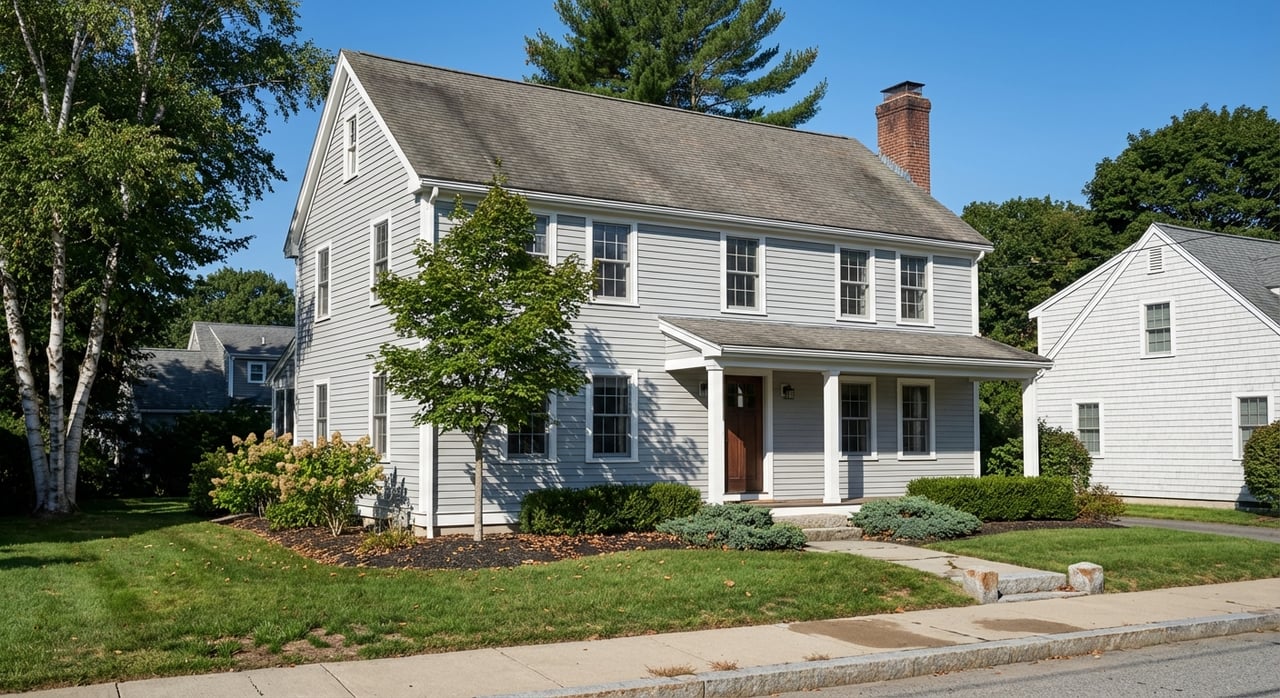
Buying your first home in Penobscot County can feel exciting and a little overwhelming. You are balancing price, utilities, and a long list of unknowns like wells, septic, and possibly shoreland rules. With the right plan and local checks, you can choose confidently and avoid costly surprises. This guide gives you current market context, a smart filtering process, key local due-diligence steps, and financing paths that work here. Let’s dive in.
Penobscot market snapshot
Late 2025 pricing gives you a helpful starting point. Zillow’s county-level Home Value Index reported a typical value of about $263,991 as of December 31, 2025. Realtor.com’s county median sale/list price hovered around the mid-$250,000s in October 2025, with higher medians in Bangor, Orono, and Hampden. The U.S. Census American Community Survey for 2019–2023 shows a median owner-occupied value of $193,800, about 76,525 housing units, owner-occupancy near 70.3 percent, median household income around $63,248, and an average commute of 22.8 minutes. You can use these figures to set expectations and sanity-check your budget. Census QuickFacts for Penobscot County provides the baseline data.
Home types you will see
Across the county, single-family homes dominate. In-town neighborhoods, especially in Bangor, include older Victorian and traditional styles. Around Orono, you will also see small multifamily and university-area housing. Rural towns often feature older homes, manufactured homes, camps or seasonal cabins along lakes and rivers, and wooded lots for acreage. Inventory varies, so start with the statewide MLS. You can filter by property type and use keywords like “well,” “septic,” “manufactured,” and “seasonal” on MaineListings to zero in on what fits.
Budget and price bands
Prices vary by town and micro-area. In October 2025, market pages showed examples such as Bangor around $290,000, Orono around $324,950, and Hampden around $334,950, with lower-cost options in more remote towns. Waterfront, acreage, and proximity to major employers or the University of Maine can push prices higher. Use these town-level snapshots to sort options into entry-level, mid-range, and move-up brackets. Always confirm current medians with your agent since numbers shift monthly and property specifics matter.
Pick the right loan
First-time buyers in Maine often combine low down payments with assistance programs. Explore options early so you can shop with confidence and write stronger offers.
| Loan type | Typical down payment | Key notes |
|---|---|---|
| Conventional | 3–5%+ | Strong credit helps; good for a range of property types. |
| FHA | 3.5%+ | Flexible credit; property condition must meet standards. |
| MaineHousing First Home | Varies | State program with potential down payment and closing cost help through participating lenders and required education. See the MaineHousing First Home Loan. |
| USDA Rural Development | 0% (eligible areas) | Many smaller and rural Penobscot towns are eligible. Check the USDA eligibility resources for Penobscot County. |
Talk with your lender about how construction type, age, and condition can affect eligibility, especially for manufactured or seasonal properties.
Must-do local checks
These items protect your health, budget, and timeline. Build them into your search from day one.
- Private well water testing. Many homes use private wells. The Maine CDC recommends testing for bacteria, nitrates, arsenic, uranium, and PFAS. Plan for lab costs and possible filtration or remediation if contaminants are present. Review the Maine CDC private well guidance.
- Septic systems. Rural homes often use septic. Require a septic inspection and request permits or variances from the municipality. Maine’s subsurface rules govern what can be repaired or replaced. Your inspector and the code office can explain options. See Maine DEP program resources.
- Shoreland and wetlands rules. Development near lakes, rivers, and wetlands is regulated. Shoreland zones commonly extend up to about 250 feet from larger waterbodies. If you want waterfront or riverfront, check the local shoreland ordinance and DEP guidance early. Start with Maine DEP programs.
- Flood risk and insurance. Run every address through FEMA to confirm flood zone status and insurance requirements. Check the FEMA Flood Map Service Center before you write an offer.
- Heating and energy costs. Many Maine homes use fuel oil or propane, which can be a significant annual cost. Ask for recent heating bills, note the system type, and factor potential upgrades like heat pumps into your budget.
- Property taxes and services. Mill rates, homestead exemptions, and water or sewer assessments vary by town. Review municipal assessor pages and call the code office for clarity. As an example of local resources, the City of Bangor website centralizes tax and service information.
Use online tools well
Smart filters save time and reveal the right homes sooner. Here is a simple setup to try.
- Build your search in the MLS. Use MaineListings or your agent’s MLS feed for the most accurate inventory. Save searches by county and town, then set alerts.
- Set must-have filters. Start with price, bedrooms and baths, lot size, and property type. Add keywords like “well,” “septic,” “manufactured,” and “seasonal” to spot systems and use types early.
- Test commute and access. Use online maps to test your drive at your actual travel time. If you want bus access around Greater Bangor, review the Community Connector schedules. For regional travel, note access to I‑95/I‑395 and Bangor International Airport driving directions.
A simple step-by-step plan
Follow this framework to narrow choices and make a confident offer.
- Get pre-approved. Collect income docs, ID, and tax returns. Research the MaineHousing First Home Loan and check USDA eligibility resources if you want low or no down payment options.
- Define non-negotiables. Rank price max, target towns, commute time, lot size, acceptable systems (well/septic), and whether you need or want waterfront.
- Build a town shortlist. Pick 6–8 towns that fit your budget and priorities. Pull 3–5 active listings per town as “representatives” to compare.
- Test the commute and visit. Drive the route at the time you will actually travel. Visit neighborhoods when you would be home to check traffic patterns and parking. If bus access matters, confirm the Community Connector schedule.
- Shortlist 2–3 homes for deeper checks. Order a home inspection, septic inspection if applicable, and a lab water test for wells. Check FEMA flood maps and town shoreland rules.
- Compare total ownership cost. Tally principal and interest, property taxes, heating costs, water or sewer fees, and likely maintenance. Include potential well or septic upgrades.
- Lean on local expertise. Ask your agent for recent comps, days on market, and referrals to inspectors. A local pro should also help you navigate municipal offices and shoreland or septic questions.
- Write offers with clear contingencies. Include inspections and test timelines for well, septic, roof, electric, and flood review. Confirm who pays for any needed remediation and when.
- Coordinate closing tasks. Align lender timelines with program requirements if you use MaineHousing or USDA. Record any required municipal filings.
- Plan year-one maintenance. Budget for seasonal tasks and servicing common in Maine, such as fuel deliveries, chimney sweeps, plowing, and roof checks.
Total cost of ownership
Your monthly budget is more than the mortgage payment. Property taxes vary by town, so use municipal assessor pages, like the City of Bangor site, to estimate taxes and check exemptions. Ask sellers for a 12-month history of heating and electric costs. Consider one-time items such as water treatment, septic repairs, or flood insurance if maps show risk. Add a buffer for Maine winter maintenance and unexpected fixes.
Commute and access tips
The Census shows an average commute of 22.8 minutes, which is a helpful benchmark, but your route matters. Test weekday travel both directions at your exact times. If you rely on public transit, confirm the Community Connector coverage and hours. For frequent flyers or out-of-area family visits, note proximity to I‑95/I‑395 and Bangor International Airport driving routes.
Ready to move from research to keys in hand?
If you want a local, data-forward advocate who will walk you through wells, septic, shoreland, and financing details, reach out. With hands-on transaction management and investor-level thinking, you can buy with clarity and confidence. Connect with Stephanie Henry to talk strategy and see on- and off-market opportunities that fit your first-home plan.
FAQs
What is the typical home price in Penobscot County right now?
- As of December 31, 2025, a county-level model showed a typical value near $263,991, while late-2025 listing medians were in the mid-$250,000s, with higher medians in Bangor-area towns.
How do private wells and septic systems affect first-time buyers in Maine?
- Expect testing and inspections as standard; budget for lab water testing and possible filtration, plus a septic inspection and permit history review using Maine CDC and DEP guidance.
Which loan programs can help a first-time buyer here?
- Many buyers pair conventional or FHA loans with assistance through the MaineHousing First Home Loan or explore zero-down options in eligible areas through USDA resources.
How can I check if a home is in a flood zone in Penobscot County?
- Look up the address in the FEMA Flood Map Service Center and review insurance requirements with your lender before making an offer.
What online tools should I use to find listings efficiently?
- Start with saved searches in the statewide MLS at MaineListings, then add filters and keywords like “well,” “septic,” and “manufactured” to quickly surface the right properties.