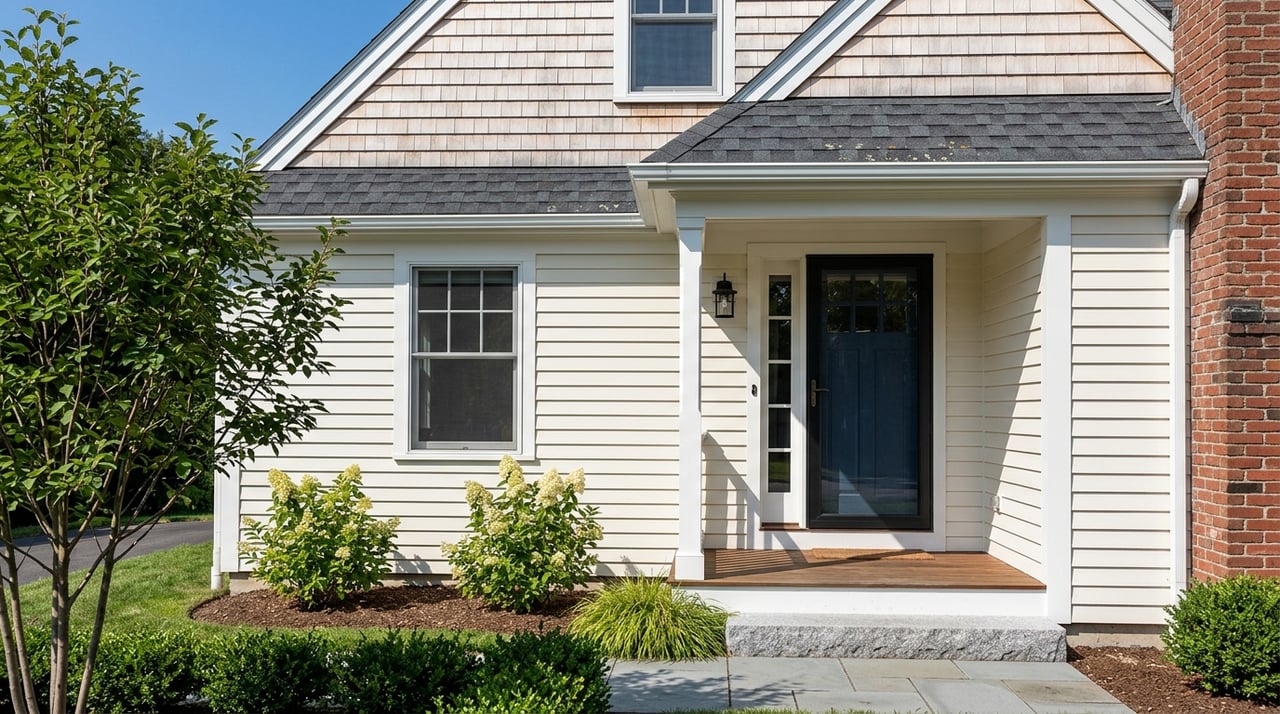
Wondering how much prep a Hancock County coastal home really needs before it hits the market? More than many sellers expect. Between salt air, moisture, storm exposure, and Maine’s disclosure requirements, the smartest listing plan is part cleanup, part maintenance review, and part paperwork sprint. If you want your home to show well and inspire buyer confidence, this guide will help you focus on the work that matters most. Let’s dive in.
Why coastal listing prep matters
A coastal or near-coastal home in Hancock County faces conditions that inland properties may not. Maine emergency and geological guidance notes that parts of the coast deal with ongoing erosion, storm surge exposure, and flooding risk during coastal storms.
That does not mean your home will be hard to sell. It does mean buyers will pay close attention to maintenance, drainage, moisture control, and documentation. When you prepare well, you make it easier for buyers to see the home’s value instead of worrying about deferred issues.
Start with a weather-aware exterior check
Your exterior is where many coastal wear-and-tear issues show up first. Salt spray and moisture can speed up corrosion and decay, even on metal parts that seem durable at first glance.
Before you list, walk the outside of the home with fresh eyes. Look closely at places buyers notice right away and at components that suggest how the property has been maintained over time.
Check roof, gutters, and drainage
Moisture control is one of the most important parts of prep. The EPA recommends keeping gutters cleaned and repaired and making sure the ground slopes away from the foundation.
For sellers, that means checking for clogged gutters, loose downspouts, standing water, and splashback near the house. If runoff is not moving away from the home, buyers may wonder about basement dampness, mold risk, or long-term foundation concerns.
Inspect metal and hardware for corrosion
Coastal conditions can be tough on exposed materials. Railings, deck connectors, exterior light fixtures, fasteners, door hardware, and similar metal components can show rust or deterioration sooner in salt-air settings.
You do not need to make every item look brand new. You do want to repair, replace, or clean up anything that makes the home feel neglected or raises a safety question.
Tidy shoreline-conscious landscaping
Landscaping near the shore is not just about curb appeal. Maine DEP advises shorefront owners to keep soil covered and direct roof and driveway runoff into stable vegetated areas where possible.
In practice, this means reseeding bare spots, refreshing mulch where appropriate, trimming overgrowth, and addressing any exposed soil that makes the lot look washed out or unstable. A neat, well-managed exterior helps signal that the property has been cared for.
Verify permits before bigger outdoor projects
Be careful with last-minute exterior upgrades near the shore. In Maine, shoreland zoning is administered by municipalities, and some work involving vegetation removal, fill, stabilization, or permanent structures may require permits.
If you are thinking about a bigger cleanup or repair project, check with the local code enforcement officer before starting. A rushed project that creates a permitting issue can complicate your sale instead of helping it.
Tackle moisture and interior concerns early
Inside the home, buyers often notice moisture clues quickly. A musty smell, condensation on windows, damp basement air, or staining around trim can create concern even when the issue is manageable.
The EPA recommends keeping indoor humidity below 60 percent, with an ideal range of 30 to 50 percent. If your home tends to feel damp, this is worth addressing before photos, showings, and inspections.
Control humidity before photos and showings
Use dehumidifiers or air conditioning if needed, especially in basements or lower levels. Run bath fans and other exhaust systems to reduce excess moisture.
If you have had any recent dampness, act quickly. The EPA says wet or damp materials should usually be dried within 24 to 48 hours, which is especially important if you want to avoid mold concerns.
Look for signs buyers will question
Buyers do not need a perfect house. They do need confidence. Walk through each room and look for yellowing ceiling spots, peeling paint, swollen trim, window condensation, and any mildew around baths, basements, or entry areas.
If you spot a problem, handle it before the listing goes live when possible. It is usually easier to explain a corrected issue with records than to answer repeated questions during showings.
Prepare heating and seasonal systems
Many Hancock County homes are used seasonally or sit vacant for stretches of time. That makes heating system records and freeze protection especially important when you are preparing to sell.
Maine also requires detailed heating-related disclosures, so this is one area where early organization pays off.
Gather heating system records
Under Maine’s disclosure rules, sellers are asked to provide details such as:
- Heating system type
- Approximate age
- Service company
- Most recent service call
- Fuel consumption
- Malfunctions in the past two years
- Most recent chimney or vent inspection
If your home has wood heat, annual inspection and cleaning of the chimney, flue, and woodstove are recommended by MEMA. Having this information ready can make your listing feel more buttoned-up and credible.
Protect vacant or seasonal homes
Frozen pipes can cause major damage. MEMA advises that if you will be away, someone should check the home daily to make sure the heat stays on, or the water system should be drained and shut off.
If your property is a cottage, second home, or seasonal residence, make sure your winterization or monitoring plan is current before listing. Buyers will want to know the house has been protected during off-periods.
Organize disclosures before you list
One of the biggest mistakes sellers make is waiting too long to gather documents. In Maine, the seller’s property disclosure statement must be delivered no later than when an offer is received. If it is delivered after the offer, the buyer has 72 hours after receipt to terminate or withdraw.
That timeline makes pre-listing document prep essential. The more complete your file is before showings begin, the smoother your transaction can be.
Build your coastal home document packet
For a Hancock County coastal home, helpful records often include:
- Seller property disclosure information
- Flood-zone summary
- FEMA map panel if applicable
- Any known flood-event or flood-claim history
- Well records or water supply details
- Septic or waste disposal records
- Heating service and chimney records
- Shoreland zoning notices, permits, or violation history if applicable
- Records related to hazardous materials disclosures required by Maine law
Maine disclosure law also calls for information about water supply, wastewater systems, known defects, hazardous materials, and flood-related information. If you gather these items early, you reduce surprises later.
Understand flood-zone questions
If your property is in or near a mapped flood area, be ready for questions. FEMA coastal maps use flood zones such as VE, AE, and AO, and flood-zone location can affect insurance costs and building requirements.
It is also important to remember that a lower-risk label does not mean no risk. FEMA notes that more than 20 percent of National Flood Insurance Program claims come from low- or moderate-risk areas. Clear, organized information helps buyers make informed decisions.
Be thoughtful with older-home updates
Many coastal homes in Hancock County have charm, character, and age. If your house was built before 1978, be cautious with last-minute renovation or paint prep.
The EPA says renovation, repair, or painting work that disturbs lead-based paint in pre-1978 homes can create dangerous lead dust, and paid contractors doing that work must be lead-safe certified. If you plan to scrape, sand, or repair painted trim, windows, or siding, use lead-safe practices.
Time your listing around the local season
Timing matters in Hancock County. Acadia National Park draws more than 4 million visits a year, with the busiest stretch generally running from June into September and peak activity in July, August, and September.
That seasonal pattern can affect traffic, parking, scheduling, and the overall ease of showing a coastal home. For many sellers, the most practical strategy is to finish repairs, touch-ups, and paperwork in late winter or early spring so the property is market-ready before the summer visitor surge.
Plan photos and showings carefully
If your home is near Acadia or other high-traffic coastal areas, scheduling matters. National Park Service guidance notes that congestion is often worst around midday during the busy season, with earlier and later windows typically working better.
For listing photos, broker previews, or showings, that can mean choosing times that avoid peak traffic and crowded parking conditions. A calmer showing experience makes it easier for buyers to focus on the property itself.
A simple pre-listing punch list
If you want a practical way to prioritize, start here:
- Clean and repair gutters and downspouts.
- Confirm drainage moves water away from the foundation.
- Check rooflines, trim, decks, railings, and hardware for coastal wear.
- Address bare soil, runoff patterns, and basic landscape cleanup.
- Reduce indoor humidity and fix any active moisture issues.
- Gather heating, chimney, well, septic, and flood-related records.
- Review Maine disclosure requirements before the home goes live.
- Verify permit needs before any shoreline or shoreland-area work.
- Make a plan for vacant-home monitoring or winterization if needed.
- Schedule photos and launch timing with local seasonal traffic in mind.
Final thoughts on listing with confidence
Getting a Hancock County coastal home ready to list is not about over-improving the property. It is about showing buyers that the home has been cared for, that moisture and weather-related risks have been managed thoughtfully, and that your paperwork is ready when questions come up.
That kind of preparation can make your sale feel more organized from day one. If you want practical guidance on what to fix, what to leave alone, and how to position your property for the local market, Stephanie Henry can help you build a smart listing plan.
FAQs
What should sellers fix first before listing a coastal home in Hancock County?
- Start with moisture-related items, drainage, gutters, visible exterior corrosion, and any interior dampness or staining that could raise buyer concerns.
What disclosures are important for a Hancock County coastal home sale?
- Maine sellers should be ready to disclose items such as heating system details, water supply, waste disposal, known defects, hazardous materials, and flood-related information.
Should Hancock County sellers gather flood information before listing?
- Yes. A flood-zone summary, FEMA map details if applicable, and any known flood history can help buyers understand the property and reduce delays later.
When is the best time to get a Hancock County coastal home market-ready?
- A practical approach is to complete repairs, touch-ups, and document gathering in late winter or early spring so the home is ready before the summer visitor season ramps up.
Do shoreland-area improvements in Hancock County need permits?
- Some projects may. If work involves shoreline stabilization, vegetation removal, fill, or structures in a shoreland area, check with the local code enforcement officer before starting.