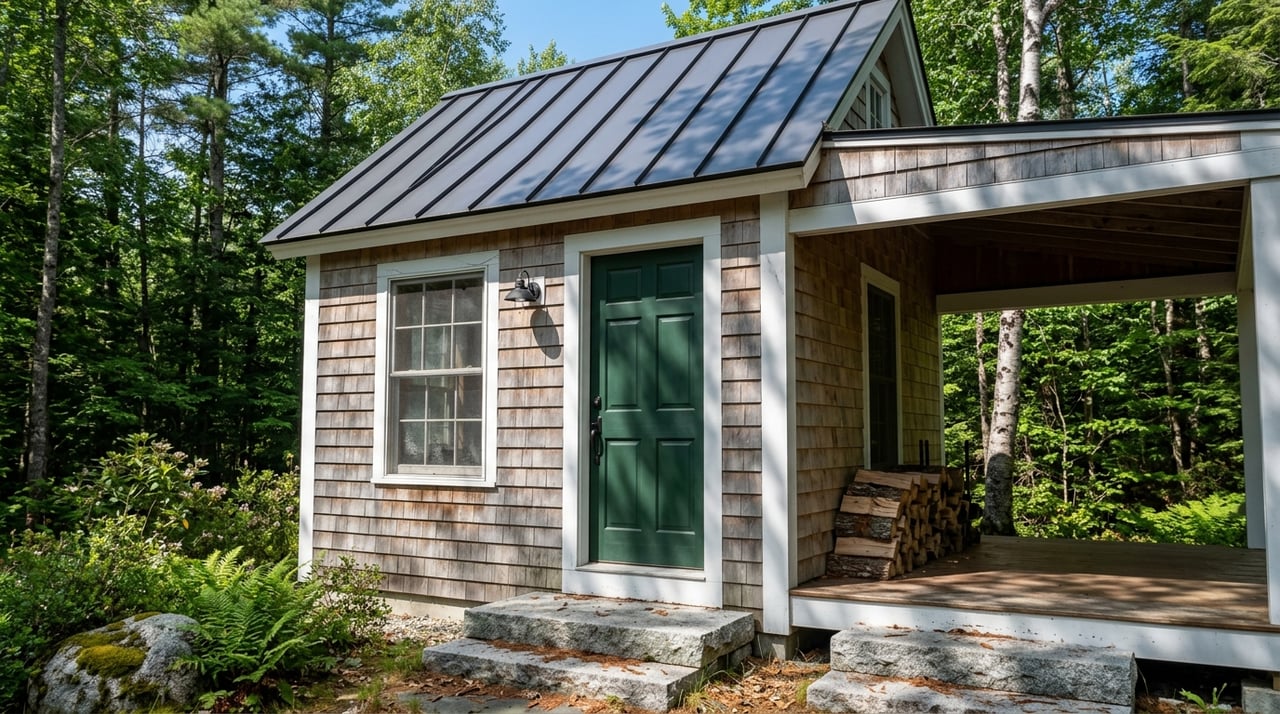
Dreaming about a place where mornings start with still water, tall pines, or the sound of wind through the trees? In Hancock County, that vision can take more than one shape, and that is part of the appeal. Whether you picture a classic lake camp, a wooded cabin, or a four-season home near quiet public land, this area offers several ways to find your retreat. Let’s dive in.
Why Hancock County Fits Retreat Buyers
Hancock County gives you room to spread out. The county’s 2025 population estimate is 57,171 across 1,587.13 square miles, which works out to about 35 people per square mile. That lower-density feel helps explain why the area can support both coastal destinations and quieter inland settings.
You also have a wide range of property experiences here. Some buyers want a waterfront camp with a seasonal rhythm. Others want a year-round home with easy access to paddling, hiking, scenic drives, or winter recreation.
That flexibility matters because a “retreat” is not one single property type. In Hancock County, it can mean a rustic camp, an updated cabin, a small home near conserved land, or a more private parcel where woods and water shape the lifestyle.
Lake Retreats to Explore
If your ideal retreat centers on the water, Hancock County offers several lake and pond settings that each feel a little different. The right fit often comes down to how much privacy, access, and activity you want. Some areas feel social and camp-oriented, while others feel more tucked away.
Branch Lake in Ellsworth
Branch Lake is a strong example of a larger lake retreat. Maine Inland Fisheries and Wildlife lists it at 2,703 acres with a maximum depth of 123 feet, and it has improved public boat access. If you want a larger body of water with room to boat and explore, this setting may be worth a close look.
For buyers, Branch Lake can represent that classic balance between recreation and breathing room. You can enjoy the lake lifestyle without feeling like you are limited to a tiny shoreline pocket. It is a useful option if you want a retreat that still supports active use through much of the year.
Beech Hill Pond in Otis
Beech Hill Pond offers a different lake feel. It is 1,351 acres and 104 feet deep, and Maine IFW describes it as a popular recreation area with a public landing and shoreline that is heavily developed with camps. That makes it a good example of the traditional Maine camp setting many buyers picture first.
If you love the idea of a recognizable lake community atmosphere, this type of area may appeal to you. It can be a great match if you want a more established camp culture and easy access to the water. It is also a reminder that not every “quiet retreat” means complete isolation.
Toddy Pond across multiple towns
Toddy Pond gives you a more spread-out waterfront story. Maine IFW describes it as an eight-mile-long water body with three basins and a public launch off Route 1. Because it spans Orland, Surry, Penobscot, and Blue Hill townships, it can offer a broader mix of waterfront settings.
That wider footprint can matter if you want options. Some buyers are looking for a hidden-away feel, while others want a retreat that keeps them connected to nearby services and multiple communities. A setting like Toddy Pond can support both goals depending on the exact property.
Leonard Lake near Ellsworth
Leonard Lake stands out for buyers who want scenery and convenience. Maine IFW describes it as extremely scenic and surprisingly undeveloped for its location near town. That is a rare combination if you want a place that feels quiet without being far from day-to-day needs.
This kind of setting can be especially attractive if you are thinking beyond weekend use. You may want the calm of a retreat but still value easier access to shopping, dining, and routine errands. Leonard Lake shows that in Hancock County, quiet does not always mean remote.
Woods Retreats With Water Nearby
Not every retreat buyer wants direct waterfront. Some people want forest, trails, dark skies, and a little more separation from busier seasonal areas. In Hancock County, that woods-plus-water mix is one of the most compelling parts of the search.
Donnell Pond area near Sullivan and Franklin
The Donnell Pond area is one of the county’s strongest examples of a forested retreat setting. Maine DACF’s Downeast public reserved lands include Donnell Pond and Rocky Lake, and Maine IFW describes Donnell Pond as very scenic, set at the base of Schoodic Mountain, with beaches and shoreline that will remain largely undeveloped.
That is a big clue for buyers who want lasting natural character. Maine Forest Service also highlights the area near Sullivan and Franklin for hikes up Schoodic and Black Mountains, along with views over woodland, lakes, and Acadia. If your version of a retreat includes trail access and long views more than dock life, this area deserves attention.
Tunk Lake and nearby paddling areas
Maine DACF also points to boat-launch access on Tunk Lake, Spring River Lake, Long Pond, and Donnell Pond for exploring public land between Franklin and Cherryfield. For buyers, that helps define a certain kind of lifestyle. You may not need to own every amenity on your own lot if the surrounding public land gives you room to paddle, hike, and unplug.
This can open up more possibilities during your search. A wooded home or cabin near these access points may still deliver the retreat experience you want, even without full waterfront ownership. In some cases, that can mean more flexibility in property style and budget.
Quiet Coastal Retreats Still Exist
When people think about Hancock County, they often think of Acadia first. That makes sense, but not every part of the county carries the same pace or feel. If you want the coast without the busiest visitor patterns, a few areas stand out.
Schoodic Peninsula for a secluded feel
Schoodic Peninsula is the county’s clearest quiet-coast anchor. The National Park Service says it is the only part of Acadia on the mainland and a more secluded area intentionally managed as minimally developed and low-visitation. The Schoodic loop road is a six-mile one-way road that passes rocky shore and tranquil forests.
That description helps buyers picture the experience. You can still enjoy the dramatic coast, but in a setting often associated with more space and less crowding. For some buyers, that combination is exactly what turns a scenic area into a true retreat.
Quieter sides of Acadia
NPS also notes that the west side of Mount Desert Island is quieter and more secluded. That does not mean every property there is hidden away, but it does show that even within a well-known destination, there are calmer pockets. If you are drawn to Acadia’s scenery but want a more relaxed home base, this can shape where you focus.
The four-season angle matters here too. NPS says Acadia still offers plenty to do from November through April, which supports buyers looking at second homes or year-round living rather than summer-only use.
Think in Seasons, Not Just Square Footage
In Maine, many retreat properties follow a seasonal rhythm. State DEP guidance treats opening and closing a camp as a recurring seasonal routine, which reflects how common that pattern is across the state. That is why it helps to decide early whether you want a true seasonal getaway or a home that supports regular year-round use.
You should also expect practical differences between a rustic camp and a more finished retreat property. Maine DEP notes that septic tanks on seasonal residences are commonly pumped every four to five years. That does not need to be intimidating, but it does mean your property search should include honest conversations about systems, upkeep, and how you plan to use the home.
Access Matters More Than Buyers Expect
A property can look peaceful online and feel very different once you understand the road setup. Maine DOT’s Hancock County road inventory shows substantial town and seasonal-road mileage. For retreat buyers, that is an important reminder to ask detailed questions before you fall in love with the view.
Focus on how the property actually functions in daily life. You may want to ask whether the road is paved, who handles maintenance, whether winter plowing is typical, and whether the home feels like a drive-up retreat or a more remote escape. Those details can shape your experience as much as the house itself.
Shoreland and Land-Use Questions to Ask
Waterfront and wooded properties often come with extra layers of review, and that is normal. Maine DEP’s shoreland zoning program applies within 250 feet of great ponds, rivers, and tidal waters, as well as certain wetlands and streams. Depending on the property location, local code enforcement or the Maine Land Use Planning Commission may be involved.
That matters most if you are thinking about changes after closing. You may want to add a deck, renovate a camp, improve access, or build on a parcel. Some properties in unorganized or deorganized areas fall under LUPC rather than a typical municipal zoning process, so it is smart to understand that early.
A True Four-Season Retreat Lifestyle
One of Hancock County’s biggest strengths is that retreat living does not have to end after summer. In warmer months, the area supports hiking, boating, paddling, and biking. In winter, Maine DACF promotes snowshoeing and cross-country skiing on public lands, and Maine IFW identifies ice fishing as a core Maine winter activity.
Fall adds another layer. The Maine Forest Service notes that Downeast Acadia includes five scenic byways and highlights both the Schoodic National Scenic Byway and the Acadia Byway All-American Road. If you want a retreat that feels rewarding in every season, Hancock County has a strong case.
Coastal buyers should also keep a few practical realities in mind. NPS notes that waters around Acadia can be challenging because of large tides and low water temperatures. For lake and coastal owners alike, Maine DEP also emphasizes clean, drain, and dry practices to help prevent invasive aquatic species.
How to Narrow Your Search
When you start looking for a quiet lake or woods retreat in Hancock County, it helps to focus on lifestyle first. The prettiest listing photos do not tell you how a place feels in mud season, midwinter, or a rainy weekend in October. Your best choice is usually the one that matches how you plan to use it most often.
A few questions can help guide your search:
- Do you want direct waterfront, or would nearby public access work just as well?
- Are you looking for a seasonal camp or a property suited to year-round living?
- Do you want to be near Ellsworth or other services, or are you aiming for a more remote setting?
- How important are road conditions and winter access?
- Are you hoping for a classic camp atmosphere, a private wooded parcel, or a quiet coastal base?
Clear answers can save you time and help you compare properties more realistically. They also make it easier to spot the difference between a listing that is simply scenic and one that truly fits your version of retreat living.
If you are weighing lakefront camps, wooded parcels, or second-home options in Hancock County, working with a local broker who understands both lifestyle fit and property details can make the process a lot smoother. Stephanie Henry offers practical guidance, responsive communication, and hands-on support to help you find a retreat that works in the real world, not just in the photos.
FAQs
What types of retreat properties can you find in Hancock County?
- You can find a range of options, including seasonal camps, updated cabins, small year-round homes, waterfront properties, and wooded parcels near lakes, ponds, or public land.
Which Hancock County areas fit a quiet lake retreat search?
- Branch Lake, Beech Hill Pond, Toddy Pond, and Leonard Lake are useful examples, each offering a different mix of waterfront scale, access, development pattern, and proximity to services.
Which Hancock County areas fit a wooded retreat search?
- The Donnell Pond region and nearby interior areas around Tunk Lake, Spring River Lake, and Long Pond are strong places to explore if you want forested surroundings and access to public land recreation.
Is Schoodic Peninsula a good fit for a quiet coastal retreat?
- Yes. NPS describes Schoodic as a more secluded, low-visitation part of Acadia on the mainland, which makes it one of Hancock County’s clearest quiet-coast settings.
What should you ask about access for a Hancock County retreat property?
- Ask whether the road is paved or seasonal, who maintains it, how winter plowing is handled, and whether the property is easy to reach year-round or better suited to seasonal use.
What zoning or shoreland questions matter for Hancock County waterfront homes?
- Maine shoreland zoning can apply within 250 feet of great ponds, rivers, tidal waters, and certain wetlands and streams, so it is wise to ask what rules or permits may affect renovations, additions, or future plans.
Can a Hancock County retreat work in all four seasons?
- Yes. The area supports summer paddling and hiking, fall scenic drives, and winter activities like snowshoeing, cross-country skiing, and ice fishing, depending on the location and property access.