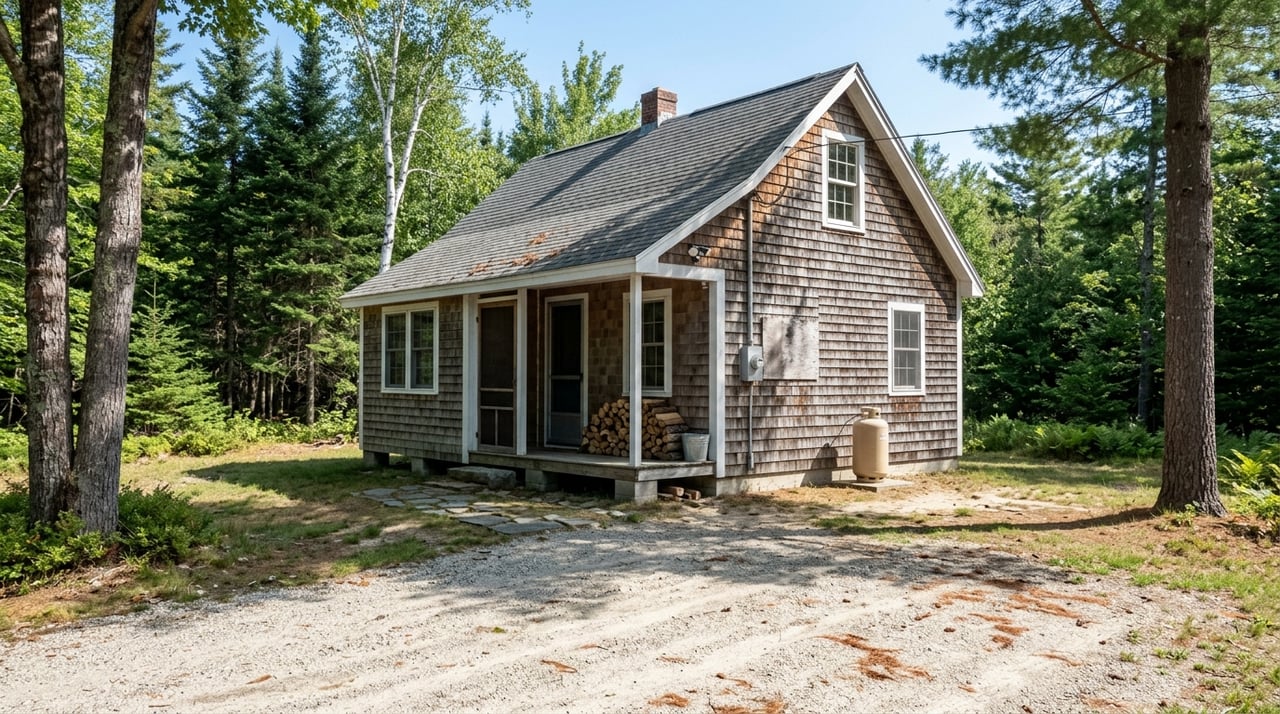
Dreaming about a quiet camp, a hunting parcel, or a buildable piece of rural land in Penobscot County? The opportunity is real, but so is the homework. If you are thinking about buying rural land or a camp here, you need to know more than acreage and price. You also need to understand who regulates the property, whether access is legal, and whether water and septic are truly workable. Let’s dive in.
Start With Jurisdiction
In Penobscot County, rural property does not all follow the same rules. Some parcels are in organized towns, while others are in unorganized territory.
That difference matters because the permitting path changes based on where the parcel sits. In unorganized and deorganized areas, the Maine Land Use Planning Commission is the planning and zoning authority. Penobscot County’s unorganized-territory office also notes that it provides municipal services to 40 unorganized territories through a state and county administrative structure.
If the parcel is in an organized town, local officials are part of the process instead. Under Maine law, municipal code enforcement officers enforce shoreland zoning, and local plumbing inspectors handle plumbing and wastewater requirements as part of the permitting path.
Before you assume a parcel is ready for a camp or future home, confirm exactly which office governs it. That one step can save you time, money, and frustration later.
Why Rural Property Needs More Research
A rural listing can look simple online. A few photos, some road frontage, maybe a stream or lake nearby, and a short note that says “great camp lot.”
But rural purchases often come down to five core questions:
- Who regulates the parcel?
- Do you have legal access?
- Are there shoreland restrictions?
- Can the lot support water and septic?
- Is power available, or will you need an off-grid plan?
In other words, the land itself is only part of the story. The real value often depends on whether the site can support the way you want to use it.
Check Access Before You Fall in Love
Access is one of the biggest issues with back lots and camp properties. A driveway, trail, or seasonal road may exist on the ground, but that does not automatically mean you have a legal right to use it.
Maine law addresses rights-of-way and easements, including claims tied to long-term use. In practical terms, you should verify deeded access, recorded easements, and any road maintenance agreements before moving forward.
This is especially important when a property is off a private road or reached by a shared route through another parcel. If year-round use matters to you, ask not only whether you can get there, but also who maintains the road and in what season.
Understand Shoreland Rules Early
A lot of buyers are drawn to camps near lakes, rivers, streams, or wetlands. In Penobscot County, that can be a major plus, but it can also bring added restrictions.
Maine’s shoreland zoning law defines shoreland areas as land within 250 feet of the normal high-water line of great ponds, rivers, or saltwater bodies, within 250 feet of freshwater or coastal wetlands, or within 75 feet of a stream. These rules can apply even if the rest of the municipality is not broadly zoned.
For you as a buyer, the practical takeaway is simple. If land is near water, do not assume setbacks or site-design limits are minor or nonexistent. A parcel that looks wide open on a map may still have important limits on where you can build, expand, or renovate.
Use Maps Carefully
Maps are helpful, but they are not the whole answer. In unorganized territory, buyers can use the LUPC Zoning and Parcel Viewer and related tax map resources to identify township information, Plan and Lot numbers, and valuation references.
That said, LUPC also warns that parcel maps are for assessment purposes only and are not legal surveys. If zoning or boundaries are unclear, the agency recommends requesting a full-size official map.
This matters because buyers sometimes treat tax maps like survey-grade documents. They are not. If boundary location, frontage, or build area is critical to your decision, you will want official records and the right professionals involved.
Water Matters More Than Many Buyers Expect
Private wells are common on rural properties, and they come with owner responsibility. According to Maine CDC guidance on private well water, private wells are not regulated like public water systems, and owners are responsible for testing and treatment.
The state recommends annual testing for coliform bacteria, E. coli, nitrates, and nitrites, plus broader testing every 3 to 5 years for other contaminants. It also specifically says well water should be tested when buying a new home.
If a lot does not yet have a well, there is more to review. Maine CDC requires preliminary approval before drilling a new well, and the rules include setback requirements from contamination sources such as fuel tanks and leach fields unless a waiver is granted.
So when you look at a rural parcel, ask clear questions:
- Is there a private well, shared well, or no current water source?
- Are there water test results?
- If no well exists, what would be required for new-well approval?
Septic Can Make or Break a Deal
If you are buying raw land, septic feasibility may be the single most important issue. Maine’s subsurface wastewater permitting guidance states that permit applications must be prepared by a licensed site evaluator for non-engineered systems, or by a professional engineer or licensed site evaluator for engineered systems, and that a site evaluation is required.
The state also says work cannot begin until the local plumbing inspector issues the disposal-system permit. That means a low purchase price does not necessarily mean a good value if the site cannot support wastewater needs.
For an existing camp, ask for permit history if available. For vacant land, ask whether any site evaluation has already been done. Without that information, you may be guessing on one of the biggest cost and use factors on the property.
Think About Utilities and Future Use
Utilities can be straightforward on some parcels and much more complicated on others. Electricity may be nearby, far away, or not part of your plan at all.
That is why it helps to think beyond your first season of ownership. If you want a simple seasonal camp now but may want longer stays or year-round occupancy later, your utility needs and permitting expectations may change.
A smart due-diligence checklist should include:
- Whether electricity is available
- Whether the property is intended for seasonal or year-round use
- Whether road access supports your intended use in all seasons
- Whether current systems match how you plan to use the property
Can You Build or Renovate a Camp?
Often, yes, but not without checking the basics first. Access, zoning, shoreland rules, water, and septic all need to line up.
In the LUPC area, building a new house or camp or expanding an existing residential structure generally requires a building permit, except for certain accessory structures that meet LUPC standards. LUPC also provides pre-application meetings, inspections, and field assistance through regional offices, including Bangor and East Millinocket.
If the property is in an organized town, the process usually runs through local code enforcement and plumbing officials instead. Either way, it is wise to confirm the process early, especially if you are buying with renovation or expansion in mind.
What If You Plan to Rent the Camp?
Some buyers want a personal getaway now and short-term rental income later. That is another reason to confirm rules before you buy.
LUPC says that buyers operating or planning a short-term rental in its area should notify the Commission. If the parcel is in a town, local rules and permitting may be part of the conversation as well.
The key point is not to assume your future use will fit automatically. If rental plans are part of your long-term goals, bring that up during due diligence.
A Simple Due Diligence Order
When you are evaluating rural land or a camp in Penobscot County, it helps to follow a clear order. That keeps you from spending time on dream features before confirming the property basics.
A practical sequence looks like this:
- Confirm whether the parcel is in an organized town or unorganized territory.
- Verify legal access, easements, and any road maintenance arrangements.
- Review zoning and shoreland status.
- Check water source, well history, and water testing.
- Review septic permits, site evaluation, or feasibility.
- Confirm power availability and seasonal versus year-round use plans.
This process does not remove every risk, but it helps you focus on the issues that most often determine whether a property truly works.
How a Local Agent Can Help
Rural properties usually involve more moving parts than a typical in-town home purchase. A local agent can help you identify whether the parcel falls under town rules or LUPC oversight, flag the right office to call, and guide you toward official records before you make an offer.
That kind of support is especially useful if you are buying from out of town, comparing multiple camp properties, or looking at land with future building plans. Clear guidance upfront can help you avoid expensive assumptions later.
If you are considering rural land or a camp in Penobscot County, working with someone who understands both the local market and the due-diligence process can make the search much smoother. When you are ready to talk through your goals, connect with Stephanie Henry for practical, local guidance.
FAQs
What should you check first when buying rural land in Penobscot County?
- Start by confirming whether the parcel is in an organized town or in unorganized territory, because that determines which rules, permits, and offices apply.
Do shoreland rules apply to camp properties in Penobscot County?
- Yes, they can. Maine shoreland zoning may apply to land near great ponds, rivers, wetlands, and streams, so waterfront or water-adjacent property should be reviewed carefully.
Is a tax map enough to confirm boundaries on rural land in Penobscot County?
- No. LUPC states that parcel maps are for assessment purposes only and are not legal surveys.
Should you test private well water when buying a camp in Penobscot County?
- Yes. Maine CDC says well water should be tested when buying a new home, and private well owners are responsible for testing and treatment.
Can you build a camp on raw land in Penobscot County?
- Often yes, but you should first verify jurisdiction, access, shoreland status, water, septic feasibility, and required permits.
What is the biggest mistake buyers make with rural camps and land in Penobscot County?
- A common mistake is assuming the listing, parcel map, or local description tells the full story when access rights, shoreland limits, well issues, and septic feasibility may be the real deciding factors.