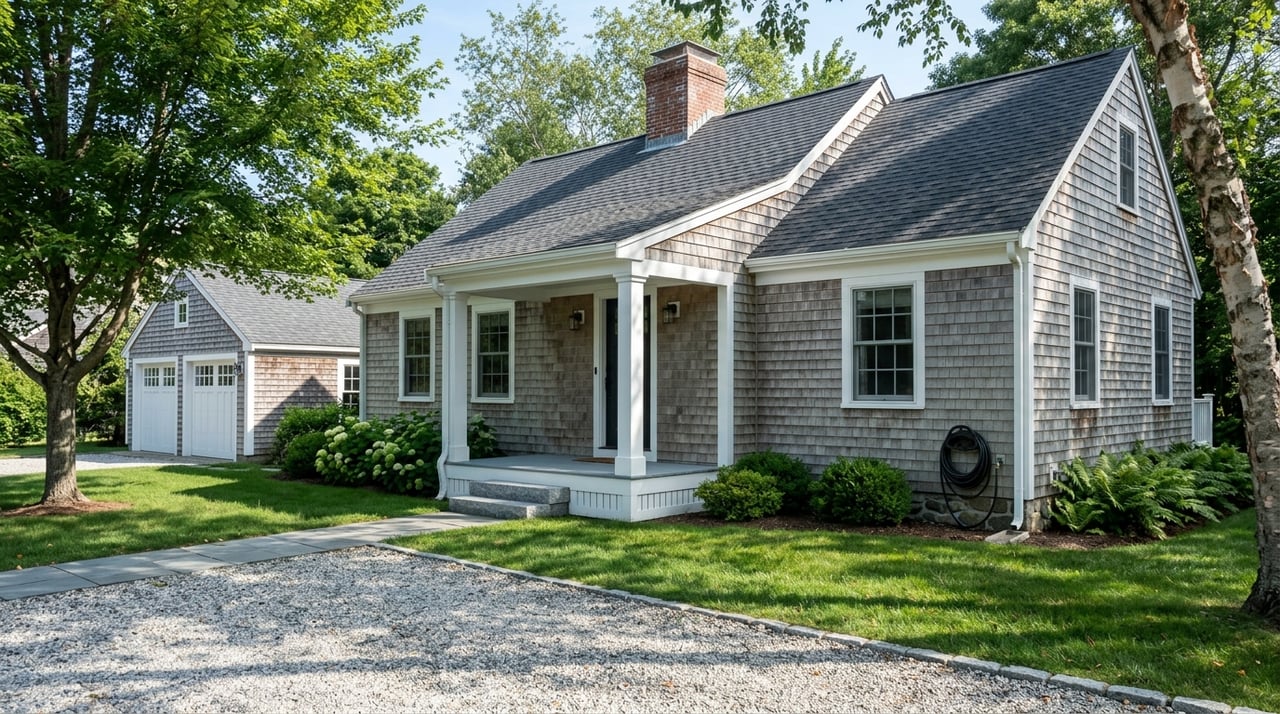
Thinking about a second home in Hancock County? It is easy to picture the rocky shoreline, harbor views, and quick access to Acadia, but the right retreat depends on more than scenery alone. If you are weighing where to buy, how often you will use the property, and what ownership will really cost, this guide will help you sort through the details that matter most. Let’s dive in.
Why Hancock County appeals to second-home buyers
Hancock County offers a wide mix of lifestyles in one region. You can find a resort-oriented setting near Bar Harbor, a more practical year-round base in Ellsworth, a village-centered retreat on the Blue Hill Peninsula, or a quieter coastal option on the Schoodic side.
That variety matters because a second home here can mean very different things depending on the town. Countywide, there are about 56,946 residents and 41,787 housing units, with a 78.5% owner-occupied housing rate. Home values also vary widely, which means your budget can stretch very differently depending on where you focus.
Start with how you will actually use it
Before you fall in love with a view, think about your real pattern of use. Will you come for a few summer weeks, shoulder-season weekends, or longer stays throughout the year? That answer should shape your location, property type, and maintenance budget.
In Hancock County, convenience changes a lot by season. A home that feels ideal in July may feel much less simple in late fall or winter if access, services, or travel time do not match the way you plan to use it.
Summer access is not the whole story
Acadia National Park is the area’s biggest draw, with about 4 million visits a year. The busiest stretch runs from June into September, and during that time parking fills early and traffic can be more limited than many buyers expect.
If your goal is easy, frequent use near the park, you will want to factor in peak-season conditions early. Vehicle reservations are required for Cadillac Summit Road from mid-May through mid-October, and seasonal transportation like the Island Explorer can help during its operating window. Summer can be very convenient, but it is also the most crowded time of year.
Airport and road access matter
For buyers who plan to come and go often, the Hancock County-Bar Harbor Airport in Trenton can be a real advantage. The airport offers year-round nonstop service between Bar Harbor and Boston, and it sits between Ellsworth and Bar Harbor.
That setup can make weekend use more realistic, especially compared with properties that require longer drives or ferry coordination. If you are an absentee owner, this kind of practical access can be just as important as the setting itself.
Budget for more than the purchase price
A second home budget should include taxes, insurance, maintenance, and seasonal upkeep, not just the sale price. In Hancock County, those ongoing costs can change a lot based on town, location near water, and the property’s exposure to winter weather.
That is why comparing towns by lifestyle and carrying cost is often more useful than comparing list prices alone. A lower purchase price may still come with tradeoffs in access or upkeep, while a higher-priced location may offer convenience that fits your goals better.
Property taxes are local
One important detail is that property taxes are handled at the town level, not the county level. You should compare municipal tax bills town by town rather than assume there is one countywide number.
Maine also limits the homestead exemption to a primary residence. A second home, vacation home, or camp does not qualify, which can raise your carrying costs compared with an owner-occupied primary home.
Prices vary widely by town
Hancock County includes both practical inland options and premium coastal markets. Bar Harbor’s median owner-occupied home value is $538,400, while Ellsworth’s is $242,300. The county median is $310,400.
Those numbers are not a substitute for a current market analysis, but they do show how quickly pricing can change within the same county. If you are deciding between a park-adjacent retreat and a more service-oriented location, this gap is a big part of the equation.
Plan for winter maintenance early
A second home in coastal Maine should be chosen with year-round durability in mind. According to NOAA’s Bar Harbor climate summary, the area has a 50 lb/ft² ground snow load, an 86-inch frost depth, and an average of 57 freeze-thaw cycles per year.
Those conditions can affect roofs, foundations, driveways, exterior materials, and waterfront features. Even if you only use the property part-time, you still need to think like a year-round owner when it comes to maintenance.
Winterization affects real costs
Freeze-thaw cycles and snow loads can create wear that out-of-area buyers sometimes underestimate. If you are considering an older cottage, camp-style property, or waterfront home, durability and upkeep should be part of your search from day one.
This is especially true if you do not plan to rely on rental income to offset costs. A retreat should feel manageable even when weather-related maintenance shows up on the calendar.
Shoreline rules and flood risk deserve close review
Waterfront property is a major draw in Hancock County, but it comes with extra due diligence. In Maine, shoreland zoning is enforced by municipalities and applies within 250 feet of great ponds, rivers, tidal waters, and coastal wetlands, among other protected areas.
That can affect setbacks, vegetation, additions, and future improvements. If you are buying near the water, these rules should be part of your review well before closing.
Flood insurance may apply
If a home is in a high-risk flood area and financed with a government-backed mortgage, flood insurance is generally required. That can change your monthly ownership costs in a meaningful way.
For shoreline buyers, it is smart to look at zoning and insurance together. A beautiful coastal setting may still be the right fit, but you want a clear picture of the practical costs and limitations before you commit.
Which areas fit different second-home goals?
The best place to buy depends on what kind of retreat you want. Some buyers prioritize quick access to Acadia and town amenities, while others care more about a quieter pace, easier year-round services, or a village setting.
Here is how several parts of Hancock County tend to fit different priorities.
Bar Harbor and Mount Desert Island
Bar Harbor is the clearest match if you want immediate access to Acadia, downtown conveniences, and a classic short-break coastal lifestyle. It is the gateway town to the park, and that convenience is a major reason values sit well above the county average.
The tradeoff is seasonality and congestion. If you value walkability and being close to activity, Bar Harbor may be worth the premium. If you want a quieter ownership experience, you may prefer to look elsewhere.
Ellsworth
Ellsworth is often the practical choice for buyers who want year-round convenience. The city serves as a service center for Hancock County and a gateway to Acadia and the Downeast region.
That makes it attractive if you want easier access to shopping, services, and routine property logistics. It can be a strong option if you like the idea of a second home without paying resort-area pricing.
Blue Hill Peninsula
Blue Hill can appeal to buyers who want a village-centered retreat with everyday support nearby. The area offers a year-round amenity base that can make shoulder-season and off-season use more comfortable.
If your ideal second home is less about constant tourist activity and more about a steady local rhythm, this area may be worth a close look. It can offer a middle ground between remote camp living and busier gateway-town ownership.
Stonington, Deer Isle, and Schoodic
Stonington and Deer Isle attract buyers who are drawn to working harbors, arts-oriented communities, and a quieter coastal pace. They are bridge-connected, which can make access simpler than a ferry-dependent island property while still delivering a strong sense of place.
The Schoodic Peninsula is another option for buyers who want coastal scenery with less congestion. Towns like Sullivan, Gouldsboro, and Winter Harbor often stand out for buyers who want the coast without being in the center of Acadia traffic every day.
Island properties
Island ownership can be appealing, but it adds another layer of planning. If the property depends on ferry service, schedules, vehicle transport, and seasonal changes become part of normal ownership.
For example, the Bass Harbor terminal serves Swan’s Island and Frenchboro, and ferry schedules change by season. If you are considering an island retreat, make ferry logistics part of your due diligence, not an afterthought.
Narrow your search by property type
In Hancock County, buyers often compare a few broad property types before they zero in on a specific town. This can make your search easier, especially if you are still deciding how you want the property to function.
Common categories include:
- In-town condos or smaller homes
- Village homes
- Cottages or camp-style retreats near the water
- Island properties with ferry logistics
Each type comes with a different mix of convenience, upkeep, privacy, and access. The right fit usually comes down to how often you will be there and how much complexity you are comfortable managing.
A practical second-home checklist
Before you buy a retreat in Hancock County, it helps to pressure-test the decision with a few simple questions. These are often the issues that separate a property that looks great online from one that truly fits your life.
Ask yourself:
- How often will you really use the home?
- Do you want town services nearby, or are you comfortable with longer drives or ferry access?
- Is the property in a shoreland or flood zone?
- Can you comfortably cover taxes, insurance, winterization, and routine maintenance?
- Is the home priced for resort convenience or for practical year-round use?
In this market, the best purchase is not always the one with the most dramatic setting. It is usually the one whose location, access, upkeep, and carrying costs match the way you plan to use it.
If you are considering a second home or retreat in Hancock County, working with someone who understands both local market differences and the practical side of ownership can save you time and help you make a more confident decision. When you are ready to talk through your options, reach out to Stephanie Henry.
FAQs
What should you know before buying a second home in Hancock County?
- You should look beyond the view and review how often you will use the property, seasonal access, town-level taxes, winter maintenance needs, and whether shoreland zoning or flood insurance could affect ownership costs.
How do Hancock County second-home prices vary by area?
- Prices can vary widely by town. Census figures in the research report show Bar Harbor with a median owner-occupied home value of $538,400, Ellsworth at $242,300, and Hancock County overall at $310,400.
Is Bar Harbor a good place for a second home in Hancock County?
- Bar Harbor can be a strong fit if you want quick access to Acadia and downtown amenities, but it is also one of the county’s busiest and higher-priced markets during peak tourism season.
Why do Ellsworth and Blue Hill appeal to second-home buyers in Hancock County?
- Ellsworth often appeals to buyers who want practical year-round services and easier logistics, while Blue Hill can appeal to buyers looking for a village-centered retreat with useful year-round amenities.
What extra steps matter for waterfront homes in Hancock County?
- Waterfront buyers should review municipal shoreland zoning rules, understand whether the property sits in a high-risk flood area, and factor in possible insurance and future improvement limitations before closing.
What should you consider before buying an island property in Hancock County?
- You should confirm ferry schedules, seasonal service changes, and vehicle transport logistics, since those details can affect how often and how easily you use the property throughout the year.