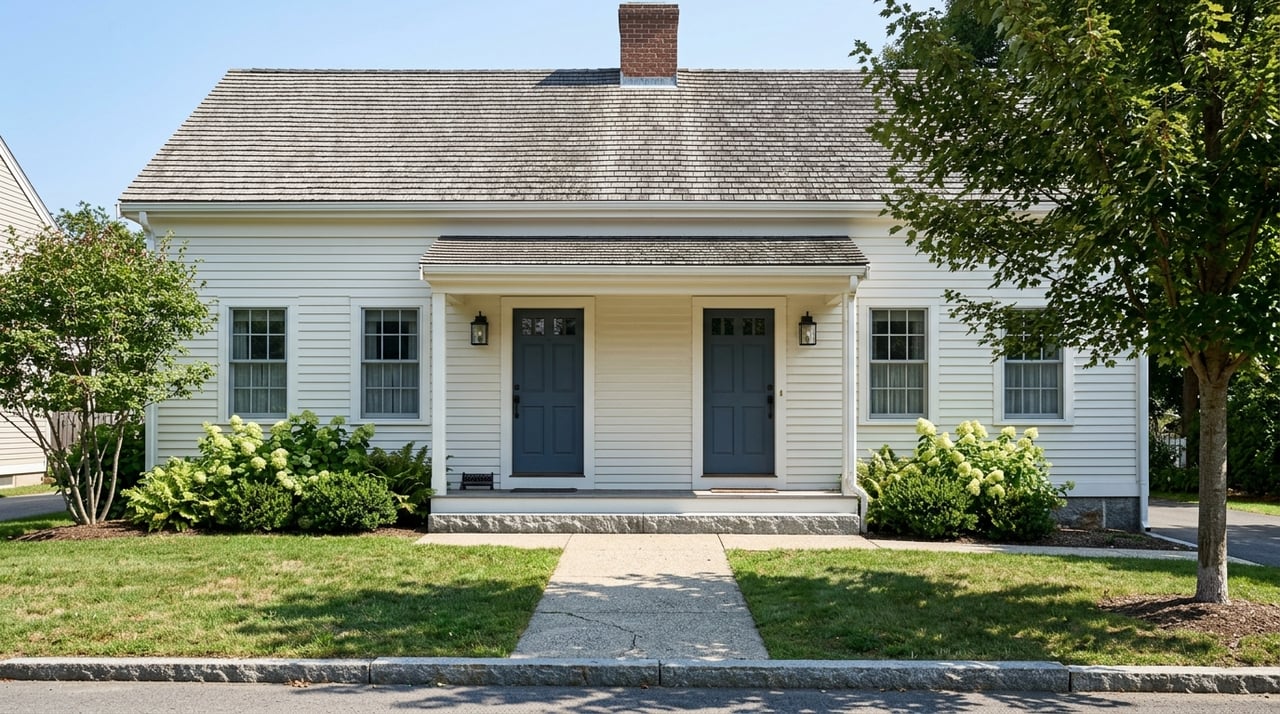
Thinking about buying a duplex, triplex, or small multi-unit in Hancock County? It can look appealing on paper, especially in a county where rents are relatively strong by Maine standards. But small multifamily investing here is not a plug-and-play math exercise. You need to look closely at local rent potential, town-level expenses, and the real impact of even one vacancy. This guide will help you analyze multi-unit investments in Hancock County with a more practical, property-by-property lens. Let’s dive in.
Hancock County Market Snapshot
Hancock County is a relatively small housing market with an estimated 57,171 residents and 41,449 housing units. It is also heavily owner-occupied, with an owner-occupied housing unit rate of 78.5 percent. That matters because it tells you the rental pool exists, but it is smaller than in more renter-heavy markets.
Countywide data also shows a median household income of $72,744 and a median gross rent of $1,061. At the same time, the local housing needs assessment reports renter-occupied households at 23 percent in 2023, with renter occupancy projected to decline slightly by 2028. That does not mean rentals are a bad bet, but it does mean broad averages can hide important differences between towns and property types.
Another detail matters here. The housing needs assessment notes that many vacant units may be seasonal, recreational, or occasional-use homes. So if you see county vacancy figures, do not assume those units are available to long-term renters or are competing directly with your duplex.
Why Small Multi-Unit Analysis Is Different
A duplex or triplex can offer a more accessible entry point than a larger apartment building. You may be able to spread expenses across more than one unit, and in some cases, live in one unit while renting the others. But in a small building, each unit has outsized importance.
If one unit in a duplex sits empty, you are instantly at 50 percent occupancy. That can put pressure on cash flow fast. In a market like Hancock County, where the renter base is more limited and highly local, conservative underwriting matters even more.
This is why county averages should only be your starting point. The real question is how a specific property performs in its specific town, condition, and unit mix.
Start With Three Rent Benchmarks
When you analyze a potential purchase, it helps to separate rent data into three layers. Looking at only one number can lead to an overly optimistic or overly cautious estimate.
County Median Rent
Census data puts Hancock County’s median gross rent at $1,061. This is useful as a broad market reference, but it is not a direct pricing tool for a duplex or triplex you may buy today. It also does not fully reflect differences in upgrades, included utilities, building age, or location.
HUD Fair Market Rent
HUD’s FY2026 Fair Market Rent schedule lists Hancock County at:
- $1,234 for a 1-bedroom
- $1,501 for a 2-bedroom
- $2,047 for a 3-bedroom
- $2,055 for a 4-bedroom
These numbers are helpful benchmarks, but they are not the same as current asking rents or signed lease rates. They are used for HUD program standards, so they should be treated as a reference point, not a pricing promise.
Property-Specific Rent Comps
This is the number that should carry the most weight. A renovated coastal duplex may perform very differently from an older inland property, even if both sit in the same county. Unit layout, condition, parking, utility setup, and town location all affect what renters may actually pay.
Analyze Rent the Right Way
A strong rent estimate is built from real comps, not just county headlines. You want to compare similar units by bedroom count, condition, and location. You also want to know whether tenants pay their own heat, electric, and other utilities.
MaineHousing’s affordability tools are a good reminder that housing costs extend beyond base rent. Property taxes, utilities, and other recurring costs shape what renters can reasonably afford and what your building can sustainably produce.
When reviewing a property, ask questions like:
- Are the units renovated or dated?
- Are utilities separated or owner-paid?
- Is parking available?
- Is laundry on-site?
- Does the location support stronger demand than the county average?
- Are you comparing against duplexes and small multifamily, not just any rental listing?
Build a Conservative Vacancy Assumption
Vacancy can make or break a small multi-unit investment. HUD’s Maine housing market analysis reported Hancock County single-family rental vacancy at 1.0 percent in November 2023, with rents among the highest in the state. That sounds encouraging, but it should not push you into aggressive assumptions.
The local housing needs assessment projects household growth from 25,392 in 2023 to 25,769 in 2028, while housing units rise from 40,771 to 41,025. At the same time, renter occupancy is projected to edge down slightly. Put together, this points to a market where demand exists, but where rental performance can still vary sharply by town and by property.
For a duplex or triplex, one turnover can have a large impact. It is smart to model some vacancy and collection loss even if current occupancy looks strong.
Know the Core Expense Categories
Cash flow depends on more than rent. One of the biggest mistakes investors make is underestimating recurring expenses, especially on older or utility-heavy buildings.
For Hancock County small multifamily, key operating expenses to model include:
- Property taxes
- Insurance
- Utilities
- Maintenance and repairs
- Property management fees
- Advertising and turnover costs
Property taxes are especially important to verify carefully. In Maine, property taxes are administered locally, so you should confirm them town by town rather than relying on a countywide estimate.
Insurance and utility costs also deserve close attention. A building with owner-paid heat, water, or electric may look fine at first glance, but those costs can materially change your monthly numbers.
Understand Cash Flow Basics
Before making an offer, you should be comfortable with a few simple terms. These numbers help you compare opportunities on a cleaner basis.
Gross Scheduled Rent
This is the total annual rent the property would produce if every unit were occupied for the full year at market rent.
Effective Gross Income
This is gross scheduled rent minus vacancy and collection loss. It gives you a more realistic picture of expected income.
Net Operating Income
NOI is effective gross income minus operating expenses. It is calculated before mortgage principal and interest.
Cap Rate
Cap rate is NOI divided by purchase price. It can help you compare one property to another, but it only works if your rent and expense assumptions are realistic.
A Simple Hancock County Approach
If you are looking at a duplex or triplex in Hancock County, a practical review process can keep you grounded. You do not need to overcomplicate it, but you do need to be disciplined.
Step 1: Test the Rent
Start with county median rent and HUD benchmarks for context. Then verify actual local comps for similar units in the same town or nearby competitive area. If the seller’s projected rent is much higher than your comp set, slow down.
Step 2: Verify Town-Level Taxes
Do not estimate property taxes from a broad average. Confirm the current assessment and local tax details for that municipality so your operating costs reflect the actual property.
Step 3: Review Utility Structure
Find out which utilities are tenant-paid and which are owner-paid. In a colder climate, this one detail can make a major difference in yearly expenses.
Step 4: Add Realistic Operating Costs
Budget for maintenance, repairs, insurance, turnover, and management, even if you plan to self-manage. A property that only works with unrealistically low expenses may not be a strong investment.
Step 5: Use Conservative Vacancy
Even in a relatively tight market, leave room for vacancy and collection loss. On a duplex, one empty unit is too significant to ignore.
Why Micro-Market Knowledge Matters
In Hancock County, local knowledge is not a bonus. It is part of the analysis. A countywide rent figure or occupancy trend can help frame the conversation, but it cannot tell you what a specific building will do in a specific town.
That is especially true in a market where owner occupancy is high and some vacant housing stock is seasonal or occasional-use. The gap between a headline number and a real investment outcome can be wide. Strong underwriting comes from matching the right property to the right local rent, tax, and expense assumptions.
If you are considering a small multifamily purchase, it helps to work with someone who understands both the transaction side and the investor side. Stephanie Henry brings hands-on local experience across greater Bangor and neighboring Hancock County, along with practical insight into multi-unit and renovation-focused deals. When you are ready to review a property, compare numbers, or talk through next steps, Stephanie Henry can help you analyze the opportunity with a clear, grounded approach.
FAQs
What makes Hancock County multi-unit investing different from other Maine markets?
- Hancock County has a high owner-occupied housing share, a smaller renter base, and local variation in rent and vacancy conditions, so duplex and triplex analysis needs to be highly property-specific.
What rent number should you use for a Hancock County duplex?
- Use three layers together: the county median gross rent for context, HUD Fair Market Rent as a benchmark, and current local comps for similar units as your primary underwriting input.
Why is vacancy such a big issue for small multi-unit properties in Hancock County?
- In a duplex or triplex, one empty unit can sharply reduce income, so even a generally tight market does not eliminate the need for conservative vacancy assumptions.
How should you estimate property taxes for a Hancock County investment property?
- Verify taxes at the town level because property taxes in Maine are administered locally and can vary by municipality.
What expenses should you include when analyzing a Hancock County duplex or triplex?
- Include property taxes, insurance, utilities, maintenance and repairs, property management fees, and advertising or turnover costs.
Is countywide vacancy data enough to evaluate a Hancock County rental property?
- No. Countywide data can provide context, but it may include seasonal or occasional-use housing, so you still need town-level and property-level due diligence before making an offer.